
There is no fixed price for mobile app development in Syria, because the cost depends on what actually gets built: how many screens and features, which platforms (Android, iOS or both), the admin panel you will use to manage orders and content, any connections to other systems, and publishing and updates after launch. That is why two quotes for “an app” can be far apart and both be honest about what they include. This guide explains how to read mobile app development cost in Syria, when an app is the right decision in the first place, and which questions protect your budget before you sign.
Why is there no single price for a mobile app?
“App” covers very different things. An app that lists your products and offers a one-tap call button is not the same as one with user accounts, a basket, delivery tracking and an admin panel run by a whole team. The first can be done with a handful of screens. The second is a full system: an interface customers see, a server running behind it, and a database holding everything together.
So the better question is not “how much does an app cost?” but: what job will the app do for my customers, what is the smallest set of features that makes a solid first release, and how will it be kept running after launch?
What drives mobile app development cost in Syria?
Scope: features and screens
Every feature means more screens, more logic and more testing. Sign-in, notifications, search and filters, bookings, payments, reviews, loyalty points: each sounds small in a first meeting, yet each adds design, development and QA time. That is why we always start by agreeing what the first version genuinely needs, and park the rest for later phases.
Android, iOS or both
Building for one platform is not the same as building for two. Cross-platform tools let one codebase run on both, and they suit many projects well, but they do not remove the need to test on different devices and handle the differences between the two systems. Always ask whether a quote covers both platforms and how the app will be built.
The admin panel and the server
The part customers never see is often the biggest. Where will orders and accounts be stored? Where will you change prices, photos and offers? An app without a clear admin panel sends you back to the developer for every small edit. Hosting and server costs also run every month, so ask for them to be listed clearly and separately from the build cost.
Interface and user experience design
The interface is what users judge in the first few seconds: can they find what they want, and do they trust the app enough to order or pay? Designing the screens in your brand identity, and mapping the user’s path from opening the app to completing an order, is its own stage, separate from coding, and should be approved before any code is written. If you do not have a brand identity yet, it may be worth starting there; see our page on brand identity design in Syria.
Connections to other systems
If the app needs to talk to your accounting or stock software, or to a delivery or messaging service, each connection needs research, documentation and testing. The older or less documented your current systems are, the more work it takes.
Store publishing and updates after launch
Publishing on the App Store and Google Play comes with requirements and a review, and each store has its own developer account and fees. More importantly, an app is not finished on launch day. Apple’s App Review Guidelines set standards every app has to keep meeting, and Google Play requires existing apps to raise their target Android API level on a regular schedule, or they become less visible to users on newer devices. Maintenance and updates are a core part of what an app costs, not an optional extra.
Does your business need an app at all?
An app earns its cost when customers come back often: repeat orders, regular bookings, or a personal account where they follow orders or points. If a customer visits once or twice a year, they will not download an app for you, and a fast, clear website will serve them better for less.
At DMANTRA we say this plainly before anyone pays: if a good website is enough, we recommend the website. You can compare with our guide to website design cost in Syria, or our website design in Damascus page.
Why the cheapest quote usually costs more later
Very low quotes look attractive because the comparison is made on the build price alone. The real cost shows up after launch: no admin panel, so you pay for every change; source code that is never handed over, so you stay tied to one person; an app that was barely tested, so negative store reviews pile up in the first week; or no agreement on updates, so the app stops working properly with new system versions.
In each case you pay twice: once for the cheap quote and again to rebuild or repair it. Harder to recover than the money is the trust the app loses, because people who delete an app after a bad experience rarely come back.
Questions to ask before you sign for any app
- Exactly which features are in the first release, and what is left for later phases?
- Does the quote cover both Android and iOS, or one platform?
- Is there an admin panel, and what can I change from it myself?
- Will the source code, store accounts and server be handed over in my name?
- Who handles store publishing, and who looks after updates after launch, on what terms?
- Can I see apps or interfaces the team has delivered before?
Our app and website work
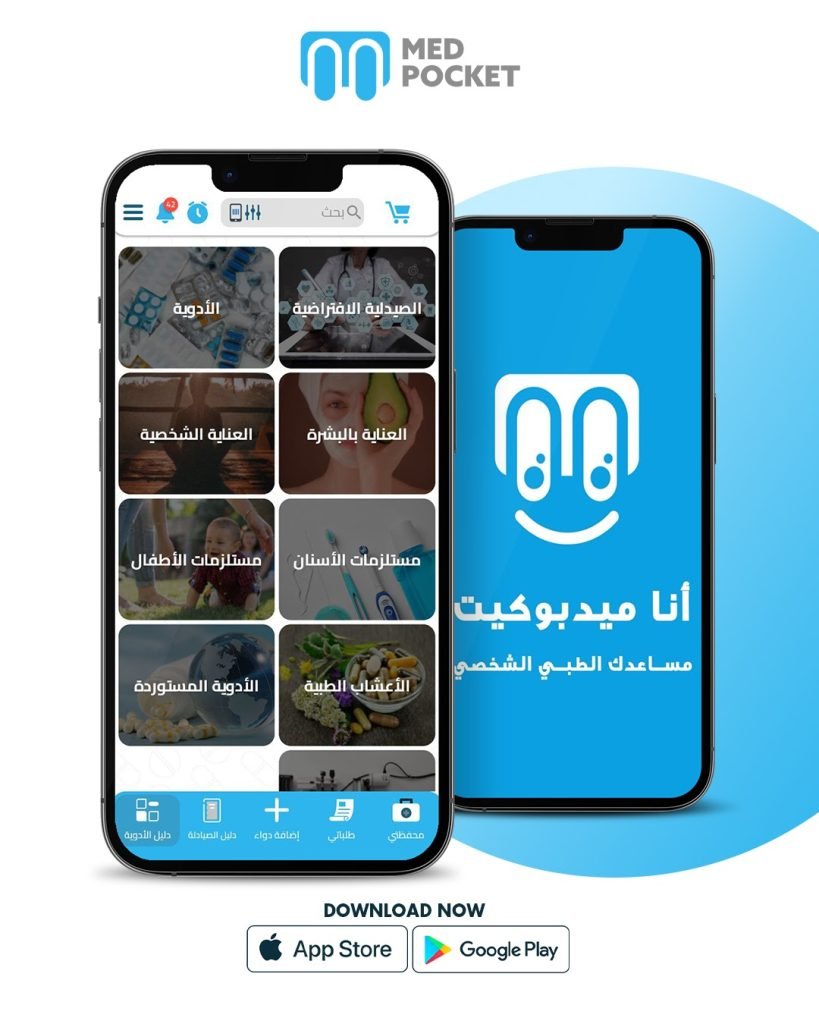
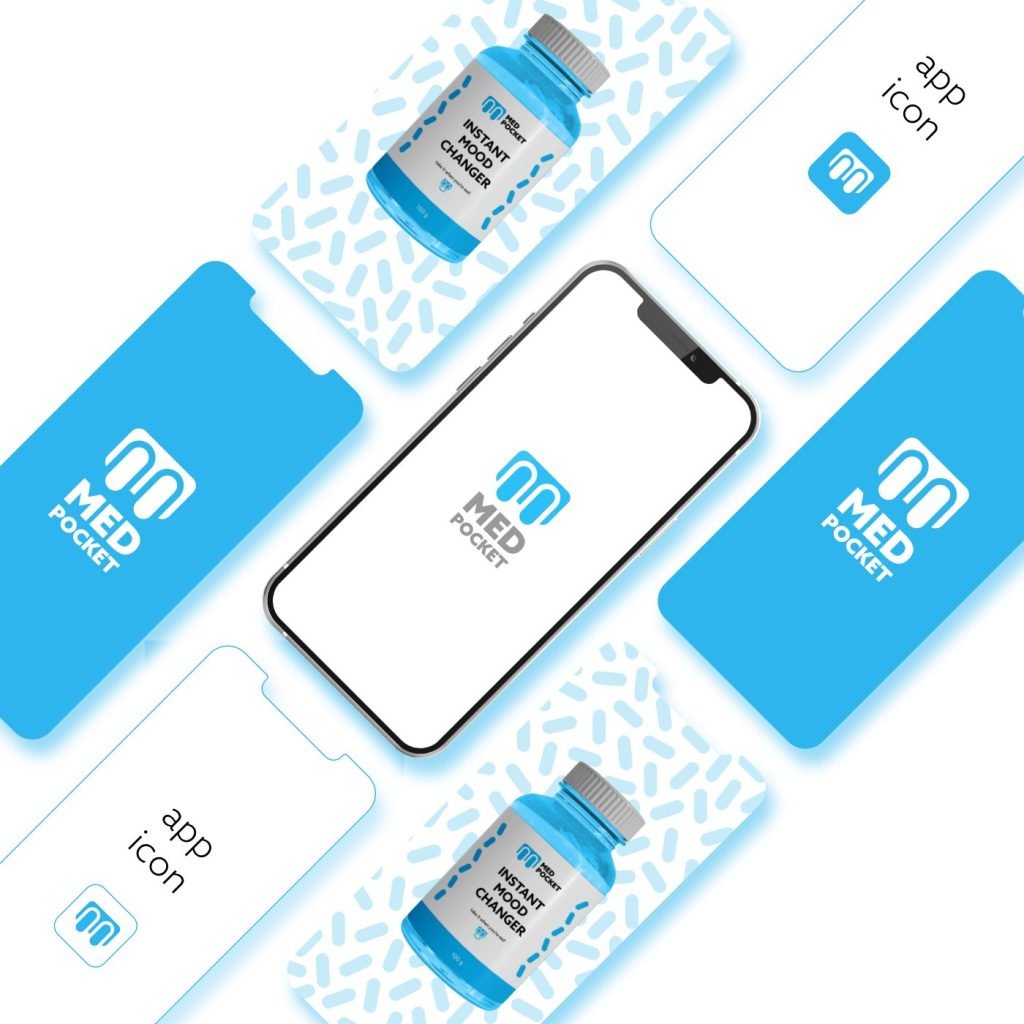
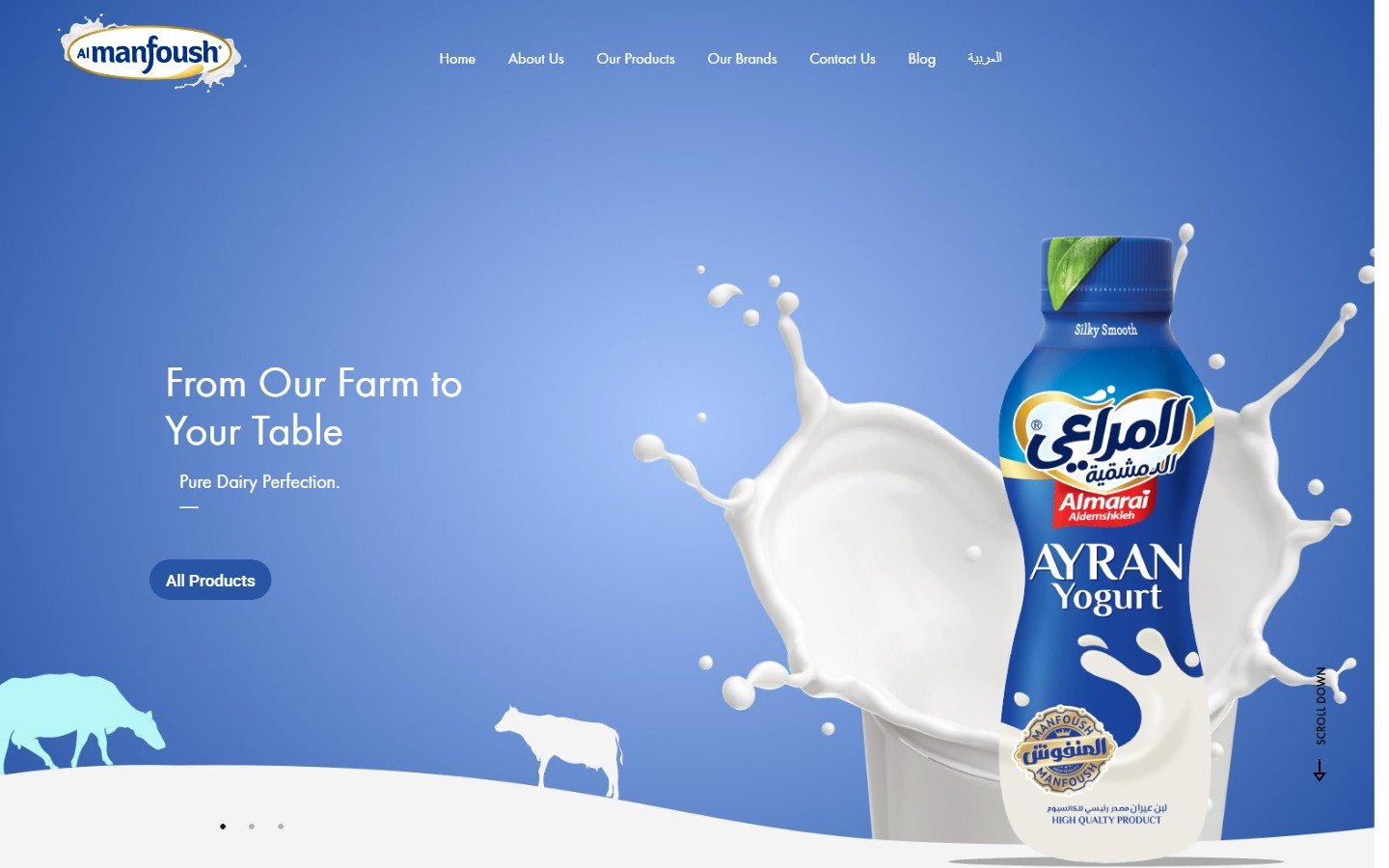
Here are examples of digital projects by the DMANTRA team: the identity and app screens for Med Pocket, and two websites we designed and developed for Jeddo Abou Emad restaurant and for Almanfoush. What they share is that identity, interface and content came from one vision, so users meet the same brand in the app, on the website and on social media.

How we scope the cost at DMANTRA
We do not publish a fixed price list for apps, because no two projects are alike. We start with a meeting to understand your business, your customers and the job the app has to do, then write out the screens and features before any design, and send a written proposal that sets out exactly what you will receive and what is left for later phases. If it turns out a good website is all you need, we tell you before you pay.
Our benchmark is the quality of the work and the results it brings your business, not being the cheapest option. That is why we treat an app as part of your whole digital presence: identity, interface, content and search visibility. For full details, see our web and app development service, and you may also find how to hire Syrian developers useful. To request a proposal for your project, reach us through our contact page.
FAQs
Should I start with an app or a website?
In most cases a business starts with a fast, clear website, then moves to an app once it has customers who keep coming back to order, book or manage their accounts.
Does the app cost include maintenance and updates?
Not always, so ask about it directly. The stores require regular updates and operating systems change every year, so it is best to agree maintenance in writing from the start.
Can I launch a first version with fewer features?
Yes, and it is often the smartest move. Launch with the core features, learn from how real customers use the app, then add what they actually need.
Who owns the app after handover?
The business owner should: the source code, the store accounts, the server and the domain. Ask for this to be stated clearly in the contract before work begins.