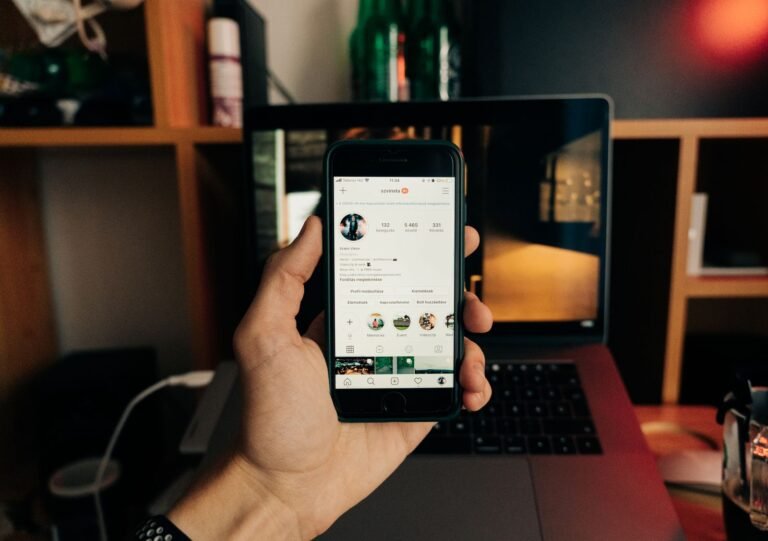
Sometimes a restaurant or shop owner tells us: our page has thousands of followers and our posts get decent likes, but orders haven’t changed. It is one of the most common problems in social media marketing, and the cause is usually that the page is run to look busy, not to bring in customers.
This article covers the numbers we look at at DMANTRA instead of likes, how we build a content plan around them, and where paid ads fit into the picture.
Why likes are not enough
A like is the easiest thing a follower can do. They tap it while scrolling and forget the post a second later. It isn’t bad, but it doesn’t tell you whether that person will buy from you or remember your name when they need what you offer.
The same goes for follower counts. A page with ten thousand followers in cities you don’t serve is less useful than one with two thousand who live near your shop. So we start every project with one question: what should happen after someone sees a post? Send a message? Visit the website? Come to the shop? The answer decides what we measure.

5 numbers that matter more than likes
These are the numbers we track every month with our clients and discuss in the monthly report, rather than settling for general totals:
1. Messages and enquiries
How many messages arrive through WhatsApp, Messenger and direct messages, and what they ask. Ten messages asking about price and delivery matter more than a hundred comments saying “nice”.
2. Saves and shares
When someone saves a post or sends it to a friend, they are saying the content is useful enough to come back to or recommend. That is much closer to a buying decision than a like.
3. Profile visits and link clicks
How many people moved from the post to the business profile, then tapped the website link, the call button or the map location. This shows whether the content pushes people one step forward.
4. Reaching the right audience
We don’t only ask how many people saw a post, but who they were: which city, which age group, and whether they look like the shop’s real customers. Platforms such as Instagram give you this for free in account insights.
5. Customers who mention the page
The simplest and most honest measure: staff asking customers “where did you hear about us?”. When “I saw you on Instagram” keeps coming up, you know your social media marketing is really working.

How we build a content plan around these numbers
Once we know what we want to happen, we spread the content across clear types, each with its own job: posts that show the product or service in real photos, posts that answer frequent questions, behind-the-scenes content that shows the people and the place, and interactive stories that start a conversation with followers.
For Peymera, for example, polls and quizzes in stories became a fixed part of the plan. They weren’t just for fun: they told us which product the audience preferred and which day of the week they engaged most, and we built the next posts on their answers.
Photography makes a real difference here. A post with a clear, considered product photo stops people far more than a design crowded with text. That is why we photograph our clients’ products ourselves whenever we can. You can read more on our photography and video production page.

Common mistakes in running a page
When we take over a page run by the owner or another provider, we usually see some of these:
- Posting because “it’s time for a post”, not because there is something worth saying.
- Designs crowded with text and offers, when people on social media want a picture that grabs them first.
- Leaving messages and comments unanswered for hours, so the customer goes to whoever replied faster.
- No one tracking the numbers, so nobody knows what worked and what should change.
Fixing these doesn’t need a big budget. It needs a clear monthly plan, someone responsible for replies, and real photos of the product. These basics alone change how a page performs before any ad runs.
Where do paid ads fit in?
Ads are a useful way to take good content to more people, but they can’t fix weak content. If a post doesn’t convince your current followers, paying to show it to strangers won’t change much.
So we start with the content, the page and the photos, and then use ads to support what has already proven itself, with a budget the client sets and reviews with us. That keeps the foundation strong even in months when ads are paused.
Because customers often search for you on Google after seeing you on social media, search visibility completes the work. We explain this in our article on modern SEO in the age of AI answers. You can also read about our social media management service.
Frequently asked questions about social media marketing
How many posts do I need each week?
There is no single number for everyone. Three well-planned posts a week with regular stories beat a daily post with no idea behind it. We set the number based on your business and on what we can keep delivering well.
Do I need to be on every platform?
No. It is better to be strong on the platform your customers actually use than weak on five. For most restaurants and shops, Instagram and Facebook are enough to start.
When will social media marketing show results?
Building a page people trust usually takes a few months of steady work. We track the numbers every month and adjust the plan based on what works and what doesn’t.
Do you send reports?
Yes. We send a monthly report covering messages, engagement and reach, and explain what we learned that month and what we will change next.
Want a page that brings customers, not just likes?
Tell us about your business and your audience, and we will propose a clear content plan before anything starts.